


Beginn des Seitenbereichs:
Seitenbereiche:

  • Zum Inhalt (Zugriffstaste 1)
  • Zur Positionsanzeige (Zugriffstaste 2)
  • Zur Hauptnavigation (Zugriffstaste 3)
  • Zur Unternavigation (Zugriffstaste 4)
  • Zu den Zusatzinformationen (Zugriffstaste 5)
  • Zu den Seiteneinstellungen (Benutzer/Sprache) (Zugriffstaste 8)
  • Zur Suche (Zugriffstaste 9)

Ende dieses Seitenbereichs. Zur Übersicht der Seitenbereiche

Beginn des Seitenbereichs:
Seiteneinstellungen:

Deutsch de
English en
Suche
Anmelden

Ende dieses Seitenbereichs. Zur Übersicht der Seitenbereiche

Beginn des Seitenbereichs:
Suche:

Suche nach Details rund um die Uni Graz
Schließen

Ende dieses Seitenbereichs. Zur Übersicht der Seitenbereiche


Suchen

Beginn des Seitenbereichs:
Hauptnavigation:

Seitennavigation:

  • Universität

    Universität
    • Die Uni Graz im Portrait
    • Organisation
    • Strategie und Qualität
    • Fakultäten
    • Universitätsbibliothek
    • Jobs
    • Campus
    Lösungen für die Welt von morgen entwickeln – das ist unsere Mission. Unsere Studierenden und unsere Forscher:innen stellen sich den großen Herausforderungen der Gesellschaft und tragen das Wissen hinaus.
  • Forschungsprofil

    Forschungsprofil
    • Unsere Expertise
    • Forschungsfragen
    • Forschungsportal
    • Forschung fördern
    • Forschungstransfer
    • Ethik in der Forschung
    • Kommission für wissenschaftliche Integrität
    Wissenschaftliche Exzellenz und Mut, neue Wege zu gehen. Forschung an der Universität Graz schafft die Grundlagen dafür, die Zukunft lebenswert zu gestalten.
  • Studium

    Studium
    • Studieninteressierte
    • Infos für Studierende
    • Anmeldung zum Studium (Wintersemester 2026/27)
  • Community

    Community
    • International
    • Am Standort
    • Forschung und Wirtschaft
    • Absolvent:innen
    Die Universität Graz ist Drehscheibe für internationale Forschung, Vernetzung von Wissenschaft und Wirtschaft sowie für Austausch und Kooperation in den Bereichen Studium und Lehre.
Jetzt aktuell
  • Jetzt zum Studium anmelden
  • Jetzt die "Youni"-App holen
  • Klimaneutrale Uni Graz
  • Forscher:innen gefragt
  • Arbeitgeberin Uni Graz
Menüband schließen

Ende dieses Seitenbereichs. Zur Übersicht der Seitenbereiche

Beginn des Seitenbereichs:
Sie befinden sich hier:

Universität Graz Rechtswissenschaften Europäisches Trainings- und Forschungszentrum für Menschenrechte und Demokratie Neuigkeiten Highly Skilled in Human Rights
  • Über das Zentrum
  • UNESCO Chair
  • Unsere Forschung
  • Unsere Lehre
  • Neuigkeiten
  • Veranstaltungen

Ende dieses Seitenbereichs. Zur Übersicht der Seitenbereiche

Mittwoch, 10.06.2026

Highly Skilled in Human Rights

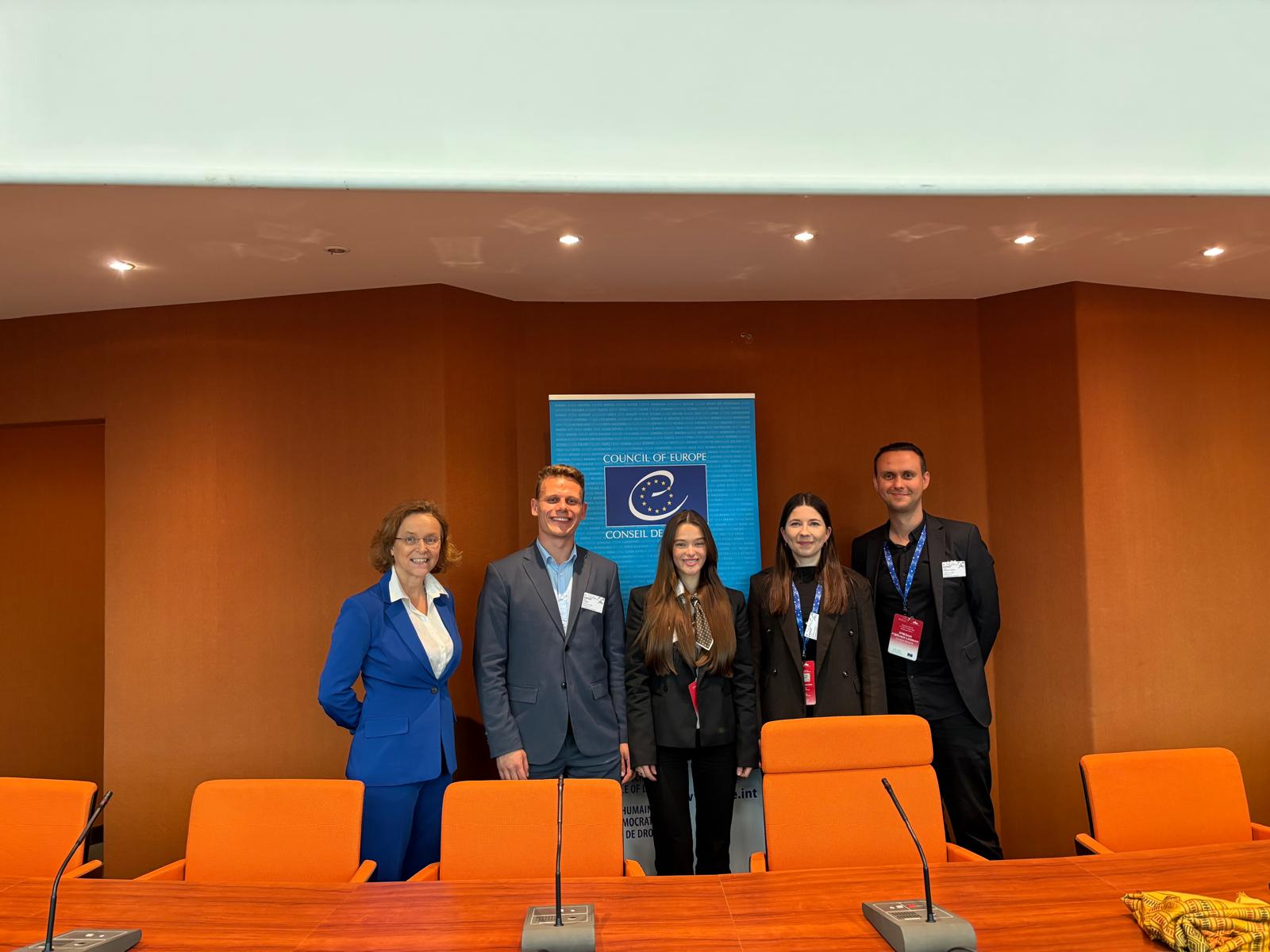
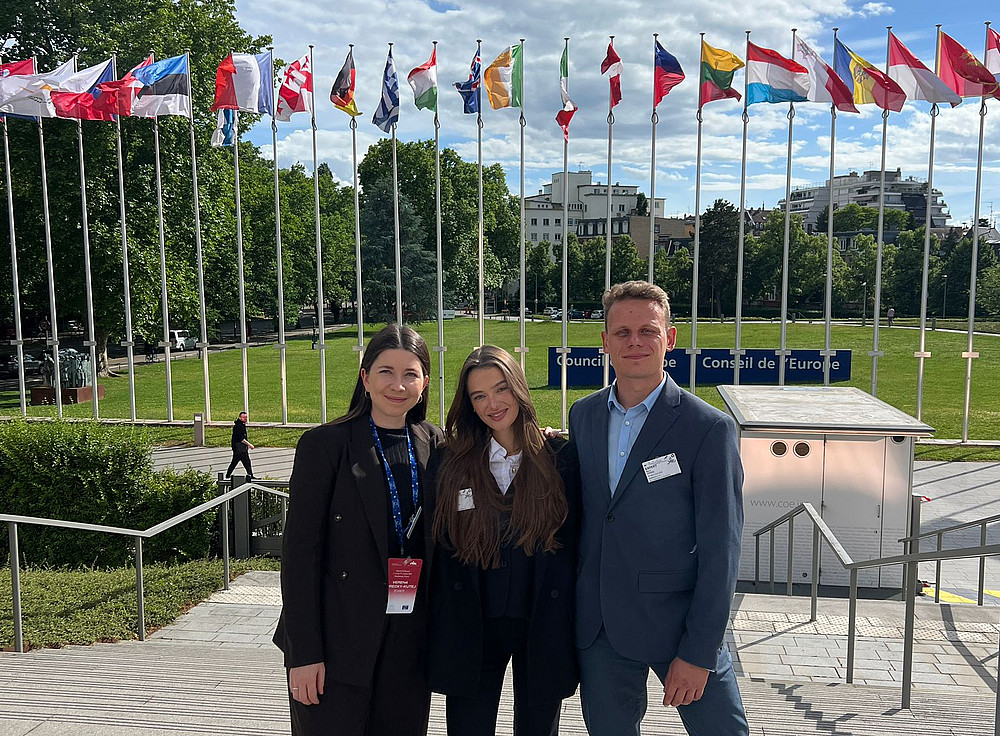
Team vor CoE

(c) Uni Graz/Fischer-Lessiak

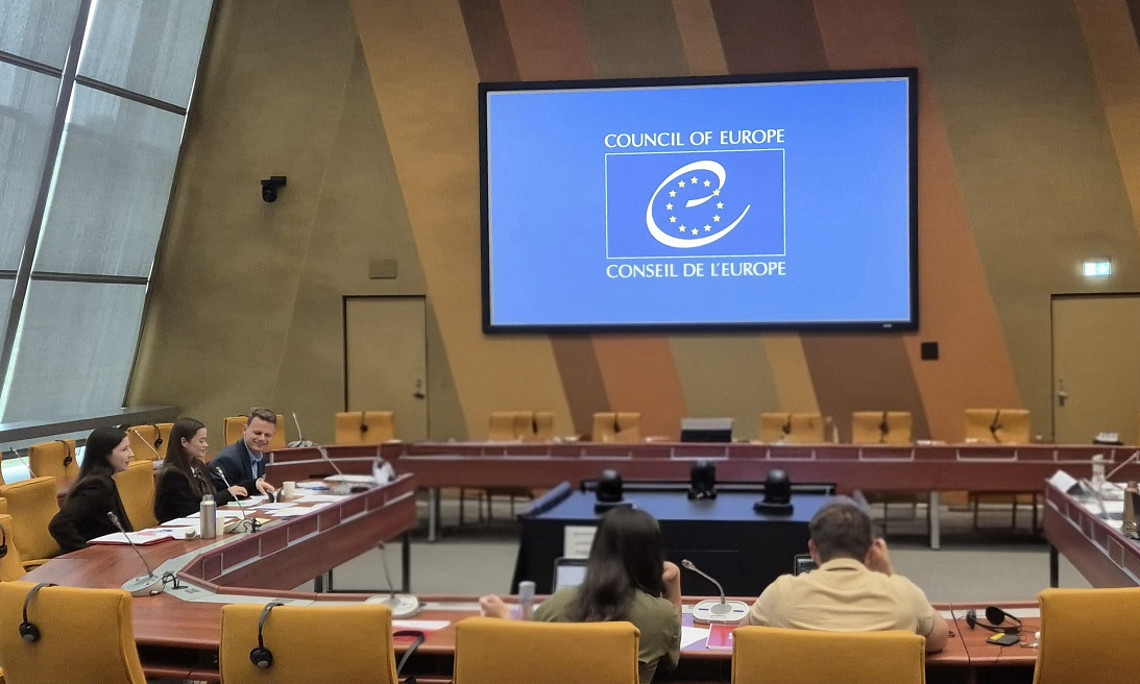
Our faculty’s Helga Pedersen Moot Court Competition team was in top form in the final oral round in Strasbourg (1-5 June 2026), made it to the semifinals and hereby secured a spot among the best four teams in Europe.

If the Austrian National Team went this far in the upcoming World Cup, it would be quite sensational: Verena Borecky-Kutej, Marius Krabbe and Daniela Lauermann excelled in their oral pleadings on the premises of the Council of Europe in Strasbourg and finished among the best four teams out of 18 in the final event and 57 taking part in the oral part of the competition altogether.

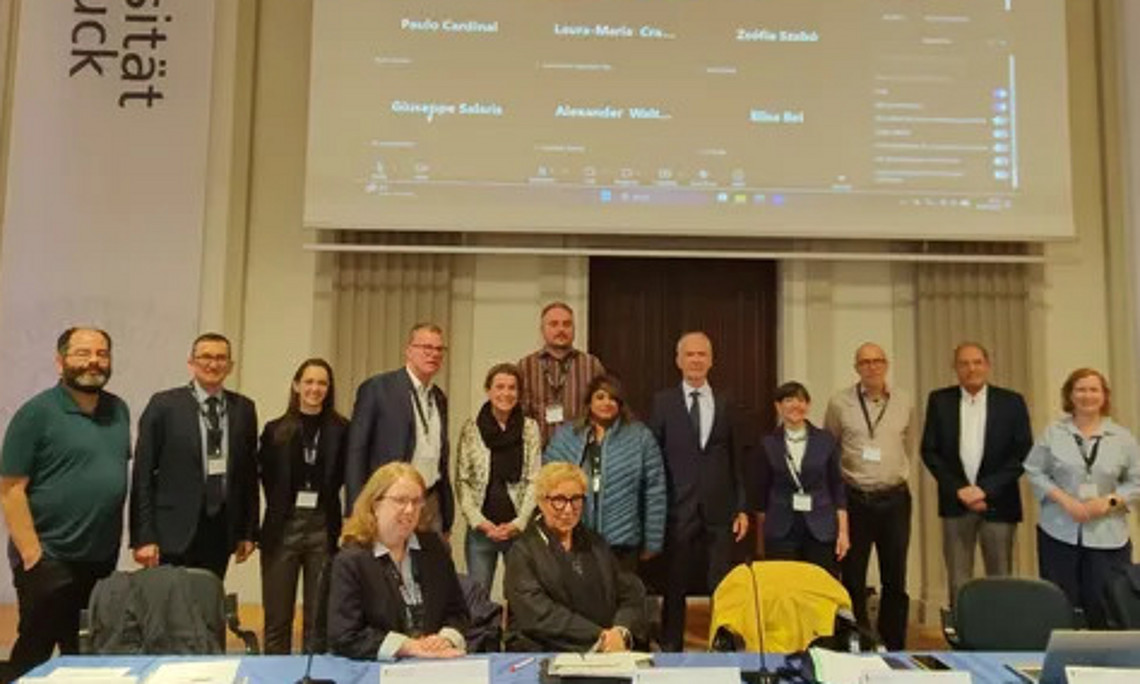
Being in the finals was already an achievement: Since last October, the trio was handling a complex case on the use of artificial intelligence in criminal proceedings and the implications thereof regarding Article 6 of the European Convention on Human Rights, wrote submissions on part of the Applicant and of the Respondent government, restructured their arguments into oral pleadings and took part in a regional round in Athens in March (more on this round here) to qualify for the final oral round in Strasbourg. The team was coached by Gerd Oberleitner, UNESCO Chair in Human Rights and Human Security, and Gregor Fischer-Lessiak. Rhetoric coach Monika Schmidt provided valuable guidance regarding the effective delivery of arguments in oral pleadings.

These efforts paid off in the end, resulted in impressive performances against other well-prepared teams from all across Europe and the team’s run only ended after four pleading rounds in Strasbourg, more precisely in the semifinals. Ambassador Aloisia Wörgetter, Austria’s Permanent Representative to the Council of Europe, was the first to compliment the team members on their success. We follow suit – congratulations on representing our faculty and our university so well internationally!

Interested in moot courts? Further information on our faculty’s simulation courses can be found here – the next rounds of the Helga Pedersen Moot Court Competition and other prestigious national and international moot courts are already around the corner!

All photos (c) Uni Graz/Fischer-Lessiak

Finale Helga Pedersen Moot Court 2026

Weitere Artikel

Teaching International Human Rights Law

UNESCO Chair Prof. Oberleitner presented on experiential learning methods in human rights law at international conference in Innsbruck

FreeAc Online Workshop: “Proposal Funding and Project Writing”

On 17 June 2026, the European Training and Research Centre for Human Rights and Democracy at the University of Graz hosted an online workshop “Proposal Funding and Project Writing” within the Erasmus+ project “Promoting Academic Freedom in Ukraine (FreeAc)”

Interdisciplinary PhD Workshop at Monastery of San Nicolò, Venice Lido

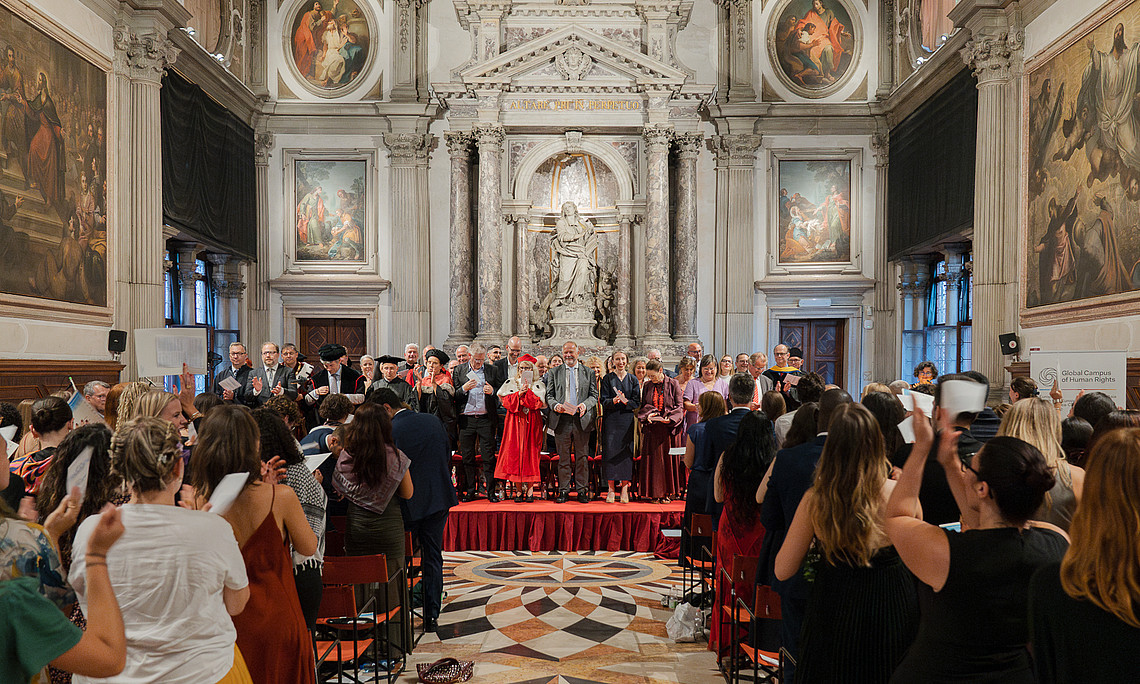
On 5 June, the participants of the Interdisciplinary Doctoral Programme Human Rights, Democracy, Diversity, and Gender successfully attended the workshop at the Monastery of San Nicolò in Venice Lido.

FreeAc Webinar “Gender-sensitive Higher Education Didactics”

On 26 May 2026, the European Training and Research Centre for Human Rights and Democracy at the University of Graz hosted an online workshop “Gender-sensitive Higher Education Didactics” within the Erasmus+ project “Promoting Academic Freedom in Ukraine (FreeAc)”

Beginn des Seitenbereichs:
Zusatzinformationen:

Universität Graz
Universitätsplatz 3
8010 Graz
  • Anfahrt und Kontakt
  • Kommunikation und Öffentlichkeitsarbeit
  • Moodle
  • UNIGRAZonline
  • Impressum
  • Datenschutzerklärung
  • Cookie-Einstellungen
  • Barrierefreiheitserklärung
Wetterstation
Uni Graz

Ende dieses Seitenbereichs. Zur Übersicht der Seitenbereiche

Ende dieses Seitenbereichs. Zur Übersicht der Seitenbereiche

Beginn des Seitenbereichs:

Ende dieses Seitenbereichs. Zur Übersicht der Seitenbereiche